

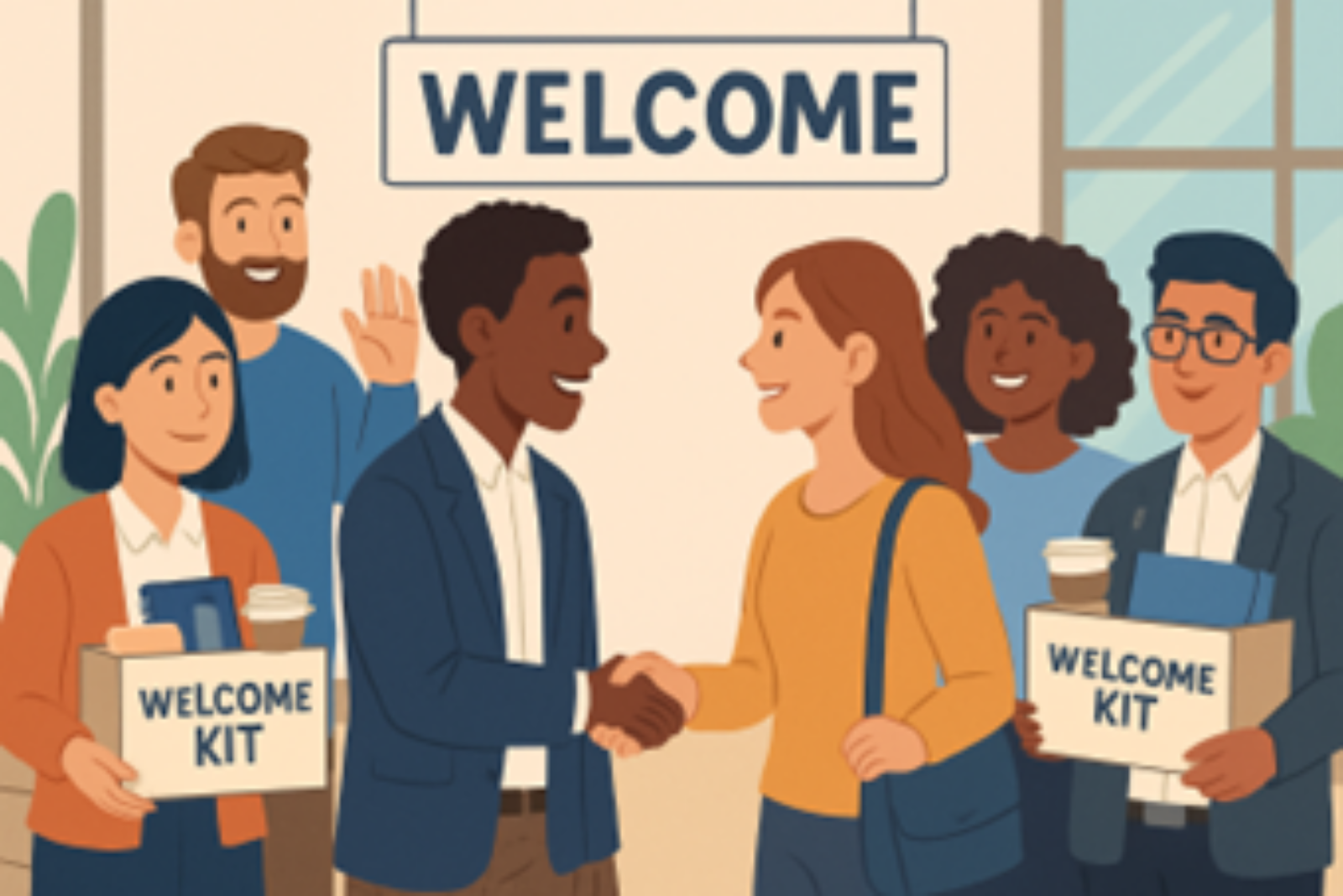
A successful on boarding process is a vital first step in setting up new hires for long-term success. Today’s top organizations are embracing innovative onboarding strategies to not only introduce employees to their new roles but also ensure immediate engagement and lasting retention. Employing thoughtful, creative methods to welcome new colleagues can transform the employee experience and foster a strong sense of belonging from day one.
In an era where talent is a top competitive advantage, how you bring new team members on board can influence their motivation, performance, and connection with your company’s mission. This guide shares proven creative onboarding approaches to help organizations make onboarding memorable, personalized, and productive.
From tech-powered orientation sessions to meaningful mentorship, effective onboarding programs ease the transition for new talent and accelerate their ability to contribute. Enabling connection, clarity, and support leads to positive outcomes for both new hires and the organization.
Incorporating intentional strategies from the very first touch point, such as thoughtful welcome kits and team-building activities, sets the tone for an inclusive and engaging journey. According to SHRM, onboarding best practices can reduce turnover and improve employee satisfaction.
Personalized Welcome Kits
New hires who feel seen and appreciated are more likely to thrive. Personalized welcome kits are an excellent way to signal appreciation and excitement about a new team member’s arrival. These kits can include branded gear, favorite snacks, a handwritten note from the team, and a guide to company culture or values. By providing practical information and a warm welcome, organizations invest in immediate morale and foster loyalty right from the beginning.
According to a Harvard Business Review report, highly curated onboarding experiences can accelerate new employees’ sense of belonging and commitment.
Interactive Office Tours
Office tours are an onboarding staple, but adding interactive elements can dramatically increase their impact and memorability. Consider incorporating a scavenger hunt or gamified map features that encourage new hires to discover key areas, such as collaborative spaces, quiet zones, or favorite coffee spots.
Not only does this approach enable spatial orientation, but it also encourages informal introductions with colleagues, reducing the anxiety of a new environment and helping form early workplace connections.
Mentorship Programs
A dedicated mentor or onboarding buddy can be an invaluable resource for new employees. Mentorship programs pair newcomers with experienced team members who can offer insights, answer questions, and help navigate both social and procedural aspects of the company.
This approach accelerates learning, creates meaningful relationships, and provides immediate points of contact for support, making integration smoother and fostering a collaborative culture.
Gamified Learning Modules
Onboarding isn’t just a process; it’s an opportunity to make learning fun and memorable. Gamified learning modules use interactivity, quizzes, and friendly competition to teach company policies, roles, and cultural values.
Incorporating a rewards system or leaderboards keeps engagement high, while interactive scenarios help new hires remember crucial procedures and boost overall motivation.
Regular Check-Ins and Feedback
Communication is critical during the onboarding phase. Scheduling regular one-on-one check-ins allows managers to gauge progress, address questions, and gather honest feedback about the onboarding experience.
These sessions promote a culture of openness, continuous improvement, and psychological safety for new hires, increasing the likelihood that they’ll raise concerns or seek help proactively.
Cultural Integration Activities
Attending to the social and cultural aspects of onboarding is just as important as the operational side. Cultural integration activities, such as team lunches, group volunteering, or themed game nights, help new hires experience the organization’s identity authentically.
These events foster camaraderie, break down silos, and offer informal settings for questions that might not arise in formal meetings.
Technology-Driven Onboarding Tools
As remote and hybrid work environments become the norm, digital onboarding solutions are increasingly playing a role in creating a unified employee experience. Tools such as virtual reality office tours, interactive orientation platforms, and online knowledge bases offer new hires immediate access to learning and connection, no matter where they’re located.
Organizations that leverage these tools can easily adapt onboarding programs for distributed teams and ensure all employees feel included from their first day.
Celebrating Milestones
Don’t underestimate the impact of acknowledging onboarding milestones. A simple recognition of a new hire’s first successful project, completion of the onboarding training program, or 30-day anniversary sends a powerful message about the value placed on each individual’s contributions.
Regular celebrations and positive reinforcement not only boost morale but also help keep employees engaged and motivated as they continue to grow within the company.
Creative, people-centered onboarding is more than a formality; it is a strategic advantage. By focusing on connection, clarity, and ongoing support, organizations can build a welcoming pathway that helps every new hire reach their full potential and become a thriving, productive team member.
