

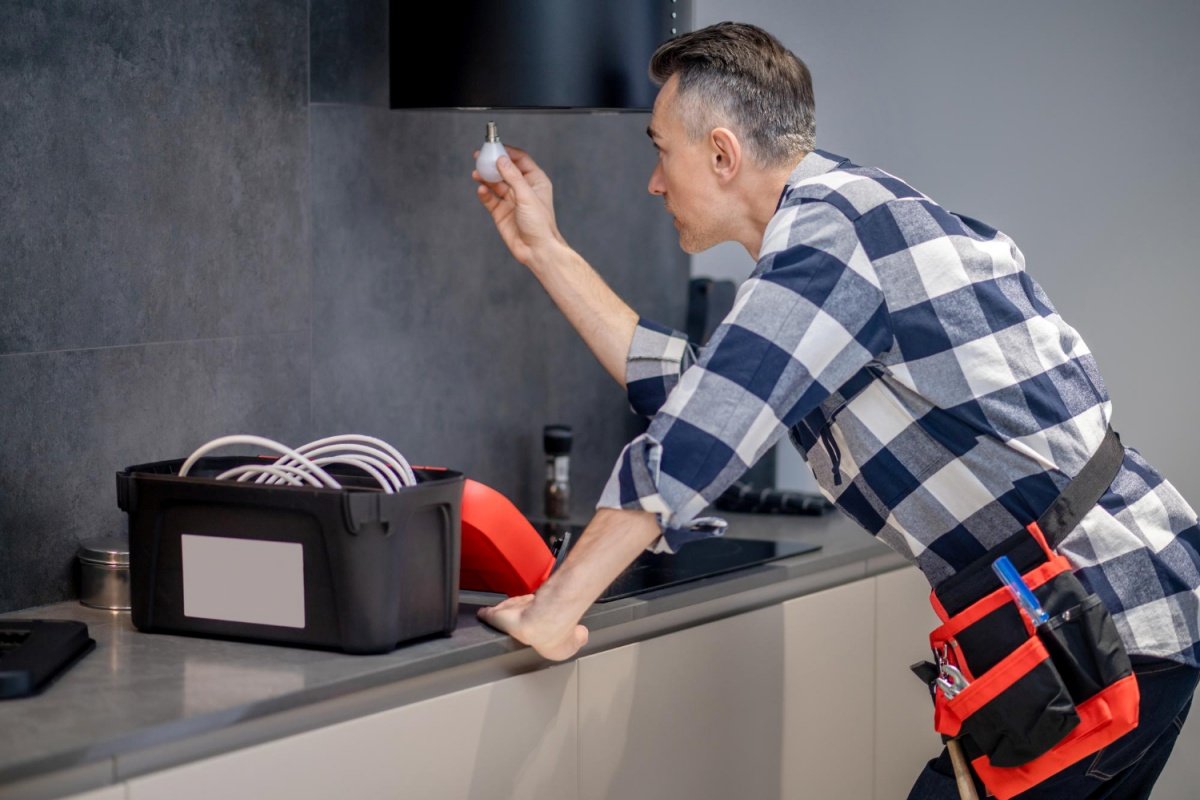
Maintaining household appliances helps ensure a more reliable home environment and saves money. Many common appliance issues can be tackled by homeowners with a little knowledge, confidence, and the proper tools. Understanding your limits and knowing when to call in a professional are vital for safety and success. For genuine parts and helpful information, sites are valuable resources when sourcing replacements and guidance.
This guide offers practical advice for handling simple repairs, staying safe, and recognizing when it’s best to leave the work to a licensed technician. Even without professional training, routine maintenance and basic troubleshooting can keep major appliances running smoothly for years to come.
Assessing the Repair: DIY or Professional Help?
Before attempting any appliance repair, evaluate the problem’s complexity. Simple tasks, such as replacing light bulbs, cleaning filters, or unclogging hoses, are usually safe for those with basic DIY skills. For example, refrigerator door gaskets can often be swapped out with minimal effort, and dishwasher spray arms usually just need routine cleaning to function, but more technical issues may require technical support.
Complex problems involving electrical circuitry, refrigeration systems, or gas lines should always be left to professionals. Tampering with these components can be dangerous and may void warranties. To help determine when a job is safe to handle yourself, Consumer Reports provides a detailed guide outlining which repairs are DIY-friendly and which should be managed by certified technicians.
Essential Safety Precautions for DIY Appliance Repair
When starting any repair, safety is the main priority. Always unplug the appliance or switch off the circuit breaker to completely cut power. If you are working with a gas-powered device, turn off the gas supply before starting. Equip yourself with safety gear, such as gloves and goggles, to protect against sharp edges, electrical shock, and harmful fumes. These precautions underscore the importance of a cautious approach to DIY repairs.
Common DIY Appliance Repairs for Homeowners
Many minor appliance issues are easily resolved without professional help. Here are three common problems and their straightforward solutions:
- Refrigerator Not Cooling Properly:Regularly cleaning the condenser coils and ensuring the internal vents are not blocked can significantly improve cooling efficiency and prevent more serious issues.
- Dishwasher Not Draining:Clogged filters or drain hoses are often the cause of water not draining. Cleaning these components often restores the appliance to full working order.
- Washing Machine Not Spinning:If your washing machine drum does not spin, the lid switch may be faulty. Checking and replacing this part is usually a simple task for most homeowners.
The user manual for each appliance is an invaluable reference for part identification and repair steps. Additionally, many reputable online resources, such as manufacturer websites and national appliance repair organizations, offer step-by-step guides with pictures and videos to facilitate the process.
When to Call a Professional
Certain types of repairs should always be entrusted to licensed professionals. These include:
- Microwave Repairs:Microwaves contain high-voltage capacitors that can deliver a lethal shock even after being unplugged. Attempting to repair them without specific training is not safe.
- Repairs Involving Gas Appliances:Improper handling of gas lines can lead to leaks and serious hazards. The risk of explosion or carbon monoxide poisoning is too substantial for DIY troubleshooting.
- Air Conditioner and Refrigerator Refrigerant Issues:Handling refrigerants is highly regulated and requires specialized equipment and certification due to health and environmental risks.
Professional repair technicians are trained and equipped with the appropriate tools for high-risk jobs, ensuring your safety and the continued functionality of your appliances. Attempting these repairs independently may not only risk injury but could also result in more extensive and costly damage.
Tips for Preventing Appliance Problems
Routine maintenance helps prevent breakdowns and extends the service life of household appliances. Key preventive practices include:
- Refrigerator care:Clean condenser coils every six months, and check seals for tightness to conserve energy and reduce wear.
- Dishwasher maintenance:Clear the filters after every few cycles and periodically inspect the spray arms for blockages.
- Washing machine care:Leaving the door open after use prevents mold and mildew growth. Clean the detergent drawer and gasket regularly to avoid buildup and odors.
Establishing these habits can dramatically reduce the need for emergency repairs and help keep appliances in optimal working order.
Conclusion
DIY appliance repairs offer a rewarding way for homeowners to save money and learn new skills. By understanding the limits of safe repairs, strictly following safety protocols, and performing ongoing maintenance, you can manage many common appliance issues. However, always prioritize your safety and recognize when professional help is needed. Proper care and the right resources ensure that your appliances continue supporting your household efficiently and safely well into the future.
Resources:
- https://www.homesandgardens.com/solved/household-projects-not-to-diy
- https://samsungparts.com/
- https://www.consumerreports.org/home-garden/home-maintenance-repairs/appliance-repairs-you-can-diy-a7661867086/
